Hospice vs. Home Health: Costs and Care Quality Comparison

Choosing between hospice and home healthcare is one of the hardest decisions a family can make. It involves balancing financial reality with the desire for the best possible quality of life. For complex chronic cases, the difference in daily experience and long-term cost can be significant. This guide breaks down the practical differences to help you make an informed choice.
Home healthcare focuses on keeping a person in their own home, providing medical and personal support as needed. Hospice care is specifically for palliative needs, focusing on comfort and dignity during the end of life. Understanding which service fits the current stage of illness is crucial. The right choice depends on the individual’s diagnosis, prognosis, and the level of care required.
Table of Contents
Understanding the Core Difference in Purpose
The primary distinction lies in the goal of care. Home healthcare is a broad term that covers lots of services. It includes personal care, companionship, and medical assistance for people living with chronic conditions. The aim is to support independence and maintain quality of life for as long as possible. It isn’t limited to the final weeks of life.
Hospice care, on the other hand, is a specific type of palliative care. It’s for people who are no longer seeking curative treatment. The focus shifts entirely to symptom management, pain relief, and emotional support. This service is typically accessed when a doctor predicts the person has a limited time to live. The approach is holistic, addressing physical, psychological, and spiritual needs.
For complex chronic cases, such as advanced dementia or heart failure, these two services aren’t always mutually exclusive. A person might receive home healthcare for months or years. Eventually, if their condition declines to the end-of-life stage, they may transition to hospice support. Many families are surprised to learn that hospice care can be provided in the home, not just in a facility.
Comparing the Costs of Care
Money is a major factor in this decision. The cost of home healthcare varies significantly based on the hours needed and the type of care. In the UK, private home care can start from around £200 per day for live-in assistance. This covers 24-hour support, which is often necessary for complex cases. Visiting care is charged per hour, so the total cost depends on the frequency of visits.
Hospice care in the UK is largely funded by the NHS and local social services. If a person qualifies for free care, the family may not pay anything out of pocket. Eligibility depends on a means test and a clinical assessment. This is a key advantage for families who cannot afford private care. However, not everyone qualifies, and the waiting list for funded places can be long.</n
For example, a family in West Sussex might choose private home healthcare if they have the budget. They might then switch to a hospice service if the person’s condition changes. It’s important to get a clear quote from a private provider. You should also check with social services about what funding might be available. Mixing both services can be a practical strategy for managing costs.
Tip: Always ask for a written breakdown of costs. This should include hourly rates, any travel charges, and what happens if the level of care needs to increase.
Quality of Care and Daily Experience
Quality of care is subjective, but there are objective factors to consider. Home healthcare allows the person to stay in a familiar environment. They keep their own routines, their own bed, and their own photos. This can reduce stress and confusion, especially for those with dementia. The carer is often the same person every day, which builds trust.
In a hospice setting, the environment is designed for end-of-life comfort. Staff are highly trained in palliative care techniques. They manage pain and other symptoms with precision. The atmosphere is calm and supportive. However, the person is in a new place, which can be disorienting. They may feel a loss of independence, even if the care is excellent.
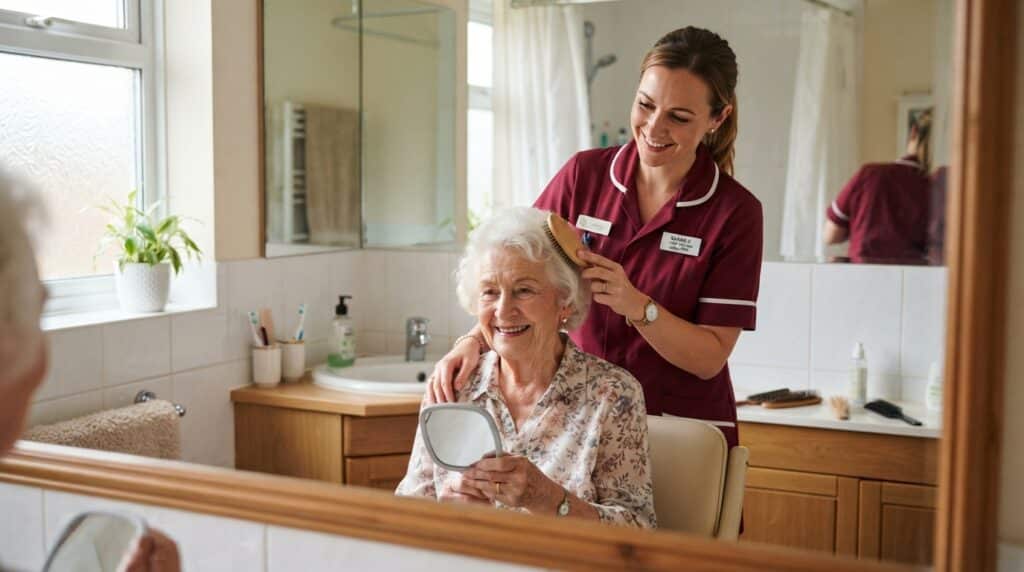
For complex chronic cases, the daily experience in home healthcare is about dignity. A carer helps with washing, dressing, and eating. They encourage the person to do as much as they can for themselves. In a hospice, the focus is on comfort. The person may have little or no ability to do things for themselves. The staff manage all aspects of care.
Families often find that home healthcare provides a sense of normalcy. It allows the person to feel like themselves, not just a patient. This can make a huge difference to their mood and well-being. On the other hand, hospice care provides a level of medical expertise that’s hard to replicate at home. For severe pain or difficult symptoms, a hospice team is better equipped to help.

What to Look For in a Provider
Whether you choose home healthcare or a hospice, the provider matters. You want a team that’s experienced, compassionate, and reliable. Check their registration status. In the UK, home care providers should be registered with the CQC. This ensures they meet national standards for safety and quality. You can search the register online to see their latest inspection reports.
Ask about the carers’ qualifications. Do they hold the Care Certificate? Do they have additional training in dementia or end-of-life care? For complex cases, specific expertise is vital. A carer who understands the nuances of a condition can provide better support. They can anticipate problems before they happen.
Communication is also key. The provider should keep you informed about any changes in care. They should involve you in decision-making where possible. A good provider will treat you as a partner, not just a client. They will listen to your concerns and adjust the care plan as needed.
| Feature | Home Healthcare | Hospice Care |
|---|---|---|
| Primary Goal | Maintain independence and quality of life | Comfort and dignity in end-of-life |
| Setting | Person’s own home | Hospice facility or home |
| Funding | Often private, some NHS funding | Largely NHS funded |
| Focus | Chronic condition management | Palliative symptom management |
| Cost | Varies by hours and type | Often free if eligible |

Practical Steps for Families
Starting the process can feel overwhelming. Here are some practical steps to take. First, have an open conversation with the person about their wishes. What matters most to them? Where do they want to be when their health declines? Their preferences should guide your decision.
Next, gather information. Contact local hospices to understand their admission criteria. Reach out to home care providers to get quotes and understand their services. Ask for references or read reviews from other families. This will give you a sense of the provider’s reliability and compassion.
Finally, involve the GP. The doctor can provide a clinical view on the prognosis. They can refer you to the appropriate services. They can also advise on funding options. Working with the medical team makes sure the care plan is aligned with the person’s health needs.
Frequently Asked Questions
Can hospice care be provided in the home?
Yes, hospice services often provide palliative care in the home. This allows the person to remain in a familiar environment while receiving specialist support. The hospice team will visit regularly to manage symptoms and support the family.
How much does private home healthcare cost in the UK?
Costs vary by location and level of care. Live-in care can start from around £200 per day. Visiting care is charged per hour. It’s best to get a personalised quote based on the specific needs of the individual.
What is the difference between palliative and hospice care?
Palliative care is broader and can be given at any stage of a serious illness. Hospice care is a specific type of palliative care focused on the end of life. The main difference is the goal: palliative care aims to improve quality of life, while hospice care focuses on comfort and dignity in the final stage.
How quickly can home care start?
It depends on the provider and the urgency. Many providers can start care within a few days after an assessment. For urgent needs, some can start even sooner. It’s important to book an assessment as soon as possible.
Next Steps
Choosing the right care is a personal journey. Take your time to consider the options. Talk to the person involved, their family, and their medical team. Gather information and ask questions. The right choice will bring peace of mind and ensure the best possible quality of life.
Talk to ADSL Care Today
CQC-registered home care across West Sussex, from Pulborough and Horsham to Worthing and beyond.
📞 Phone: 01798 303561 |
🌐 Website: adslcare.com
📋Editorial Standards: This article was drafted with the help of AI writing tools and reviewed by our care management team before publishing to ensure accuracy and compliance. If anything looks out of date, please contact us. [email protected]
Book Your Care Consultation Now
Providing professional, compassionate, and dignified home care services across West Sussex.
Related posts


Popular Posts

12 Steps to Fix Broken Home Healthcare Workflows

Reducing Hospital Readmissions with Predictive Home Healthcare

Hospice vs. Home Health: Costs and Care Quality Comparison
Testimonials
Recommended by a friend, very helpful and professional. The care is outstanding and the office team are very experienced and assisted me with sourcing additional funds for my mums care. Thank you ADSL Care

vincent Harrison
ADSL have fantastic carers and are a wonderful team! They have put me and my family at ease and my Mum looks forward to her daily visits. Would recommend to anyone looking for carers.

Sandra Booth
We recently changed our care agency to ADSL Care, we are very pleased with the care we receive for my mother. Care staff are caring and professional. Office staff and management are very approachable and accommodating.

Caroline Knight
We used ADSL care to help support my wife, the carers were all very lovely and caring. The office staff were very kind and answered all of our questions.

Brian Pownall