Reducing Hospital Readmissions with Predictive Home Healthcare
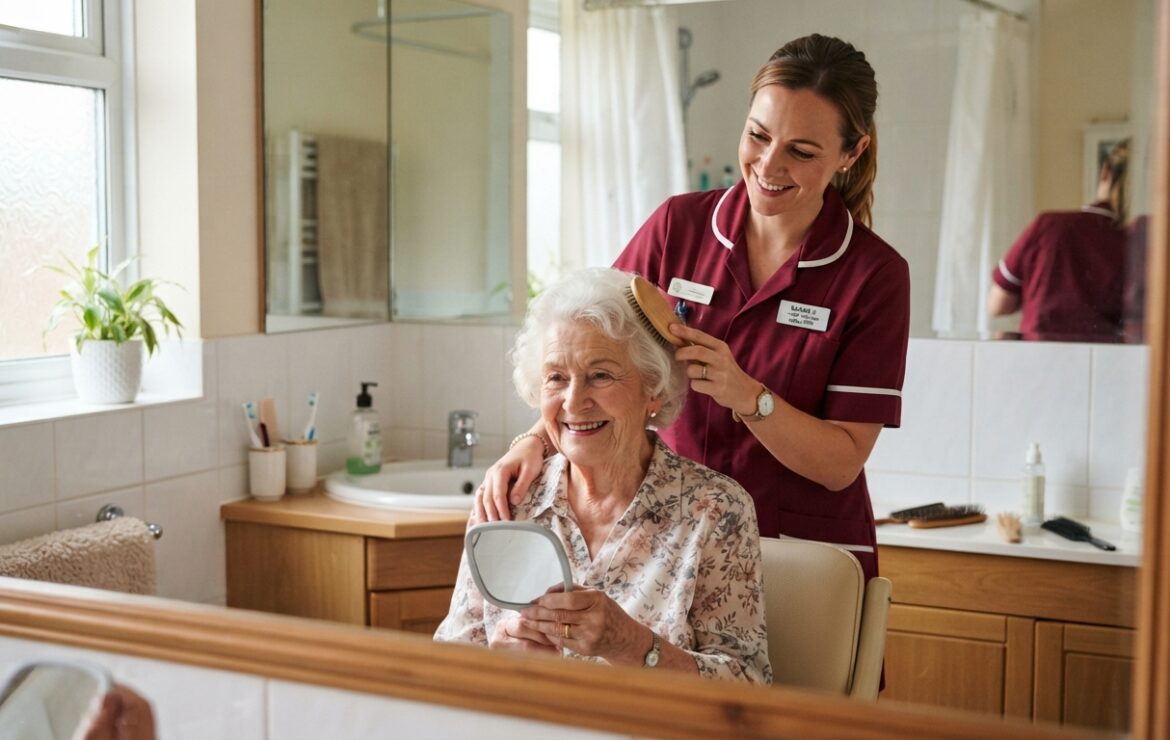
Many families worry that a hospital stay will become the start of a downward spiral. The fear is that once a relative is discharged, the support system isn’t quite ready, leading to another admission within weeks. This cycle is common, but it isn’t inevitable.
Modern home healthcare is moving away from reactive visits and towards a proactive model. By using predictive analytics, care teams can spot small changes in a client’s routine before they become emergencies. This approach helps keep people safe and independent in their own homes.
Table of Contents
- Why Hospital Readmissions Happen in Home Care
- How Predictive Analytics Works in Practice
- The Role of Consistent Assessments
- Implementing a Proactive Care Plan
- Common Mistakes to Avoid
- What to Ask Your Care Provider
- Case Study: A Proactive Approach in Action
- Costs and Options for Home Healthcare
- How to Get Started with Predictive Care
- Choosing the Right Partner for Your Family
- Frequently Asked Questions
Why Hospital Readmissions Happen in Home Care
Most readmissions aren’t caused by a sudden crisis. They’re the result of slow, subtle changes that go unnoticed. A client might eat slightly less. They might skip a medication dose because they are feeling confused. Or they might start spending more time in bed. Individually, these signs seem minor. Together, they can signal a serious decline in health.
Traditional visiting care often operates on a fixed schedule. A carer arrives for thirty minutes, helps with hygiene, and leaves. While this support is vital, it can miss the bigger picture. The carer sees a snapshot of the day, but not the trend over the week. Without a broader view, small issues can escalate into hospital admissions.
The goal of a ‘zero-hospitalisation’ protocol isn’t to ignore serious illness. It’s to catch the warning signs early enough to manage them at home. This requires a different way of thinking about care. It means treating every visit as a data point in a larger story about the client’s health.
How Predictive Analytics Works in Practice
Predictive analytics in this context doesn’t require expensive AI hardware or complex algorithms. It relies on consistent observation and structured data collection. Care teams track specific metrics over time. These metrics form a baseline for what is normal for that specific individual.
For example, a care manager might track a client’s fluid intake, weight, and mood. If the weight drops by half a kilogram over three days, that is a flag. If the client refuses medication twice in a week, that’s another flag. When these flags appear together, the care team can intervene. They might contact the GP, adjust the care plan, or increase visit frequency. This early intervention can prevent the need for hospital care.
This process turns subjective observations into objective data. Instead of relying on memory or vague impressions, the team has a record. They can see patterns. They can compare today’s visit to last week’s visit. This clarity allows for faster and more accurate decision-making.
Tip: Keep a simple daily log of fluid intake, food eaten, and any changes in mood or behaviour. This log is invaluable when speaking with a GP or care manager.
The Role of Consistent Assessments
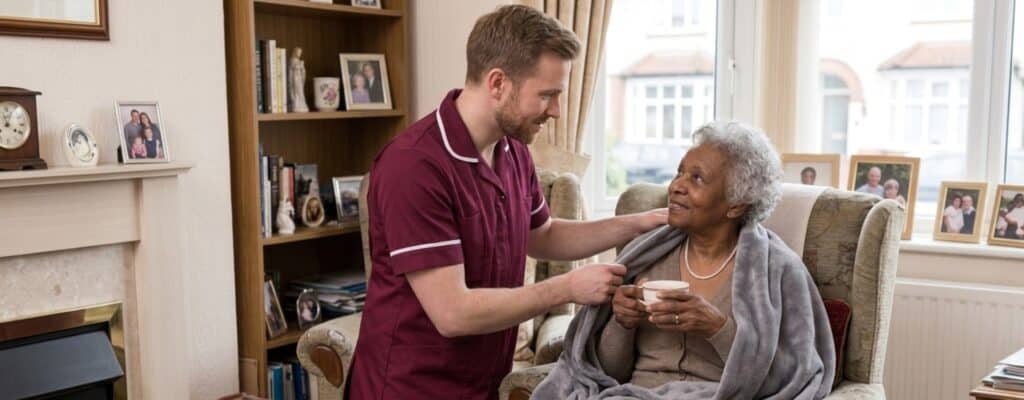
Data is only useful if it’s consistent. This is why regular assessments are so important in a predictive model. At ADSL Care, assessments take place at least every four weeks, or more frequently if care requirements change. These are not just box-ticking exercises. They’re opportunities to review the client’s physical and mental state.
The initial visit determines whether the home care setup will fit well. It establishes the baseline. From that point on, every subsequent assessment is a comparison. Care managers look for deviations from that baseline. They ask specific questions about sleep, appetite, and pain. They observe the home environment for hazards or signs of neglect.
Most clients start with two short visits a day and increase hours as needed. This gradual approach allows the team to build trust. It also allows them to gather data over time. A client who is comfortable with their carer will be more honest about their symptoms. This honesty is crucial for accurate predictive analysis.
Implementing a Proactive Care Plan
Creating a proactive care plan requires collaboration. The care team, the family, and the GP must all be on the same page. The care plan should include clear triggers for action. For instance, if a client’s temperature rises above a certain point, the carer should not just note it. They should call the manager immediately. If a client with dementia becomes agitated, the carer should use a specific de-escalation technique and report the incident.
This level of detail turns a generic care plan into a personalised safety net. It makes sure no one is guessing. Everyone knows what to do when a specific sign appears. This reduces anxiety for the family and improves outcomes for the client.
Communication is the backbone of this system. Care managers must share relevant information with the GP. They must also keep the family informed. Families are often the first to notice changes. They are a vital part of the predictive network. A simple phone call from a concerned daughter can trigger a review that prevents a crisis.
Common Mistakes to Avoid
Many families make mistakes that undermine the effectiveness of home care. One common error is assuming that more hours always mean better care. It’s the quality of the observation that matters, not just the quantity of time spent. A carer who is rushed and checking boxes will miss subtle signs. A carer who is trained to observe and report will catch them.
Another mistake is failing to update the care plan. As a client’s condition changes, the plan must change too. If a client starts using a walker, the care plan should reflect that. If they develop a new allergy, the medication list must be updated. Stale information leads to errors. Regular reviews prevent this.
Families should also avoid keeping important information to themselves. If a client was in a fall, or if they’re feeling depressed, this needs to be shared with the care team. Withholding information prevents the team from adjusting the care plan. It can lead to dangerous situations. Open communication is essential for a successful ‘zero-hospitalisation’ approach.

What to Ask Your Care Provider
When choosing a home healthcare provider, ask about their data collection processes. Do they track vital signs? How do they share information with GPs? How often do they review the care plan? These questions reveal whether the provider uses a proactive or reactive model.
Ask about the qualifications of the care managers. Do they have experience in dementia care or complex health conditions? A skilled manager can interpret subtle signs of decline. They can distinguish between a bad day and a serious problem. This expertise is valuable.
Also ask about the response time for urgent issues. If a client becomes unwell overnight, who do you call? What is the protocol? A good provider will have a clear, tested system for handling emergencies. This gives families peace of mind, knowing that help is available when it’s needed most.
Case Study: A Proactive Approach in Action
Consider a typical scenario in West Sussex. A client in their 80s lives in Pulborough. They have mild dementia and some mobility issues. For weeks, the carers noticed that the client was eating less. They were also sleeping more during the day. The care manager noted these changes in the weekly report.
Instead of waiting for the next scheduled assessment, the manager contacted the GP. The GP advised a blood test to check for infection. The results showed a minor urinary tract infection. With prompt treatment, the client recovered within a few days. They never went to hospital. This is the power of predictive analytics. It’s not about predicting the future. It’s about acting on the present.
This example illustrates how small observations can have a big impact. The carers did their job by noticing the changes. The manager did their job by acting on those changes. The result was a safe outcome for the client without the trauma of a hospital stay. This is the standard that all families should expect from their home healthcare provider.

Costs and Options for Home Healthcare
Costs for home healthcare vary widely depending on the level of care required. Live-in care services start from £200 per day for one-on-one assistance. Visiting care is more affordable, with costs based on the number of hours per day. Families should get a clear breakdown of costs before starting care. There should be no hidden fees.
Some families may be eligible for funding from local authorities. This depends on a financial assessment. The process can be complex, but it’s worth exploring. A care manager can often help navigate this process. They can provide the necessary documentation and advice. It is important to understand that funding rules vary, so seeking professional guidance is recommended.
Regardless of funding, the goal is to find a sustainable solution. One that keeps the client safe and happy. A proactive care plan can actually reduce costs in the long run. By preventing hospital admissions, families avoid the high cost of inpatient care. It also preserves the client’s quality of life. This is a win-win situation for everyone involved.
How to Get Started with Predictive Care
Starting with a new care provider is a big step. The initial visit is crucial. It determines whether the setup will fit well. The care manager will assess the client’s needs, the home environment, and the family’s expectations. They’ll leave a printed copy of the assessment form in the home. This document serves as a reference for everyone.
After the assessment, the team will create a care plan. This plan will outline the specific tasks, the schedule, and the communication protocols. Families should review this plan carefully. They should ask questions if anything is unclear. The carers will follow this plan, but they’ll also report any deviations. This feedback loop is essential for success.
Most clients start with two short visits a day. The hours may increase as the client’s needs change. The key is flexibility. The care plan should evolve with the client. Regular reviews make sure the care remains appropriate and effective. This dynamic approach is what makes predictive home healthcare so powerful.
Choosing the Right Partner for Your Family
Choosing a care provider is a personal decision. It’s important to trust your instincts. If a provider feels rushed or dismissive, it is a sign to look elsewhere. A good provider will listen. They’ll take the time to understand the client’s history and preferences. They’ll treat the family as partners in care.
Check the provider’s registration with the Care Quality Commission (CQC). This is the regulator for health and social care in England. A CQC registration makes sure the provider meets certain standards. You can check the CQC website for ratings and inspection reports. This is a simple way to verify a provider’s reputation.
Finally, ask for references. Speak to other families who have used the service. Ask about their experience. Ask about any challenges they faced and how they were resolved. This feedback is invaluable. It gives you a realistic picture of what to expect. It helps you make an informed decision.
Frequently Asked Questions
How often should assessments be conducted?
Assessments should take place at least every four weeks, or more frequently if care requirements change. This makes sure the care plan remains relevant and effective. Regular reviews help catch changes in health early.
What is the difference between reactive and proactive care?
Reactive care responds to problems after they occur. Proactive care uses data and observation to prevent problems before they happen. Predictive analytics is a key tool in proactive care.
Can home care prevent all hospital readmissions?
No, home care can’t prevent all readmissions. Some conditions are severe and require hospital treatment. However, proactive care can significantly reduce the number of preventable admissions by catching early warning signs.
How much does live-in care cost?
Live-in care services start from £200 per day for one-on-one assistance. Costs vary based on the specific needs of the client and the level of care required.
How quickly can care start?
We can typically start care within 3 to 5 working days after an assessment. This allows time for proper planning and onboarding of carers.
Talk to ADSL Care Today
CQC-registered home care across West Sussex, from Pulborough and Horsham to Worthing and beyond.
📞 Phone: 01798 303561
🌐 Website: adslcare.com
📋Editorial Standards: This article was drafted with the help of AI writing tools and reviewed by our care management team before publishing to ensure accuracy and compliance. If anything looks out of date, please contact us. [email protected]
Book Your Care Consultation Now
Providing professional, compassionate, and dignified home care services across West Sussex.
Related posts


Popular Posts

12 Steps to Fix Broken Home Healthcare Workflows

Reducing Hospital Readmissions with Predictive Home Healthcare

Hospice vs. Home Health: Costs and Care Quality Comparison
Testimonials
Recommended by a friend, very helpful and professional. The care is outstanding and the office team are very experienced and assisted me with sourcing additional funds for my mums care. Thank you ADSL Care

vincent Harrison
ADSL have fantastic carers and are a wonderful team! They have put me and my family at ease and my Mum looks forward to her daily visits. Would recommend to anyone looking for carers.

Sandra Booth
We recently changed our care agency to ADSL Care, we are very pleased with the care we receive for my mother. Care staff are caring and professional. Office staff and management are very approachable and accommodating.

Caroline Knight
We used ADSL care to help support my wife, the carers were all very lovely and caring. The office staff were very kind and answered all of our questions.

Brian Pownall