Finding Reliable Private Caregivers in West Sussex
Finding dependable support for an aging or disabled relative usually starts with one pressing question. You want trustworthy help that fits your daily routine without turning the house upside down. Balancing the emotional side of this with practical logistics takes work. You also need to keep your relative respected, safe, and part of every decision about their day.
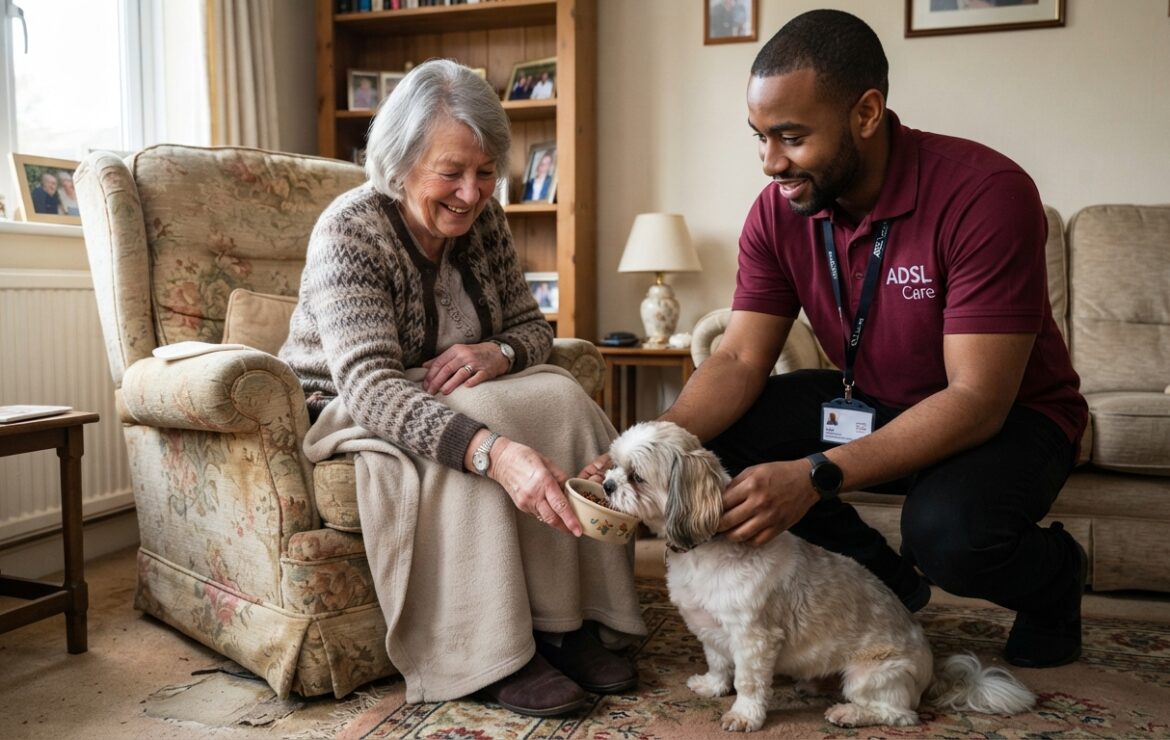
Private caregivers in West Sussex offer personalized in-home assistance [[KEEP_0]]. They help people stay independent with daily living activities, medication reminders, and good company. Hiring independent help takes real effort. You’ll need careful vetting, background checks, and clear agreements on duties, schedules, and emergency protocols. Every household has its own culture and layout, so making these arrangements work takes thoughtful planning and open communication right from the start.
Table of Contents

Understanding the Role of Independent Support
Inviting someone into a household is a big step. Families want to know what tasks a professional can realistically manage. [[KEEP_0]] Daily routines vary wildly from one home to another. Some individuals just need a friendly face for morning medication prompts and light meal preparation. Others require heavy physical support with mobility, personal hygiene, and overnight monitoring.
Defining these needs early prevents confusion. When expectations line up from day one, relationships run much smoother. Take time to write down the specific tasks required before you start searching. That prep work makes initial conversations way more productive. A common mistake families make is assuming a general caregiver can automatically handle specialized medical tasks without prior training. Clarifying qualifications ahead of time means the person you hire actually has the precise skill set required for safe, competent daily living assistance.
How to Source and Screen Candidates
Finding the right person takes patience. You can source independent support through specialized introductory agencies, local classified boards, or direct recommendations from healthcare professionals. Every route trades off cost, admin work, and how deep the vetting goes. Going through classified boards might save you money up front, but you take on the burden of vetting and tax compliance yourself.
Screening needs a sharp eye for detail. Don’t skip foundational safety checks. You should always request and verify the following items:
- Up-to-date criminal record disclosures
- Verifiable references from previous employers
- Proof of relevant training or professional certifications
- Valid identification and right to work documentation
Sit down for formal interviews in a neutral spot or right at home to see how they communicate. Ask practical scenario-based questions. Find out how a candidate handles sudden emergencies, medication errors, or personality clashes. Pay attention to how they talk about past clients, and listen for patience, empathy, and professional boundaries. It’s also smart to ask questions such as: What would you do if the individual refuses to take their prescribed medication? How do you handle a sudden fall or injury? What strategies do you use when someone becomes frustrated or confused? Those practical inquiries show you real-world problem-solving abilities much better than a generic resume review [[KEEP_0]].

Managing Working Agreements and Legal Obligations
Private hiring often means stepping into the role of an employer. This brings specific responsibilities regarding contracts, taxes, and insurance. Ignoring these details can lead to unexpected liabilities down the road. For instance, failing to arrange proper employer liability insurance can leave both the household and the caregiver unprotected in the event of an accidental injury on the property.
A clear written agreement protects both parties. It should outline hourly rates, expected notice periods, holiday entitlement, and exact job descriptions. If you prefer a more guided approach to arranging support, you can read more about How to arrange private home care in West Sussex to understand alternative organizational pathways. Establishing these details upfront minimizes misunderstandings regarding pay rates for weekend shifts, overtime, or unexpected schedule changes.

Establishing Routine and Communication
Even seasoned pros need a few shifts to learn how a household runs. A shared notebook bridges the gap between family members and visiting staff pretty well. Jot down dietary preferences, morning routines, and triggers for anxiety. Clear handoff notes keep the day steady and reassuring for your loved one, even if a substitute carer steps in.
Review the setup regularly so small annoyances don’t balloon into real frustrations. Address adjustments calmly and quickly. Schedule quick check-ins to talk about what’s working and what needs tweaking. Skip these reviews, and you’ll risk burning out both the caregiver and the family managing the calendar.
Tip: Keep a dedicated folder in the kitchen containing emergency contact numbers, medical history, and daily care routines so any visiting support worker can find vital information instantly.
For a broader look at your options, take a look at this guide on Private home care services in West Sussex. Every family’s situation looks different, and exploring different avenues helps build a safe, lasting setup. Balancing private help with professional oversight also gives everyone real peace of mind.
Talk to ADSL Care Today
CQC-registered home care across West Sussex, from Pulborough and Horsham to Worthing and beyond.
📞 Phone: 01798 303561 |
🌐 Website: adslcare.com
Frequently Asked Questions
How do I find reliable private caregivers in West Sussex?
You can find independent support through introductory agencies, local classifieds, or healthcare professional recommendations. Always conduct thorough interviews, check references, and verify criminal record disclosures before making a hiring decision.
What should be included in a private care agreement?
A solid working agreement should outline hourly rates, specific daily duties, holiday entitlements, notice periods, and emergency protocols. Having these details in writing protects both the family and the worker.
Am I considered an employer when hiring private caregivers directly?
Yes, hiring an independent worker directly typically means taking on employer responsibilities such as managing tax obligations, insurance, and payroll. Many families use introductory agencies to help manage or bypass these administrative burdens.
📋Editorial Standards: This article was drafted with the help of AI writing tools and reviewed by our team before publishing. If anything looks out of date, please contact us.
Book Your Care Consultant Now
Providing professional, compassionate, and dignified home care services across West Sussex.
Related posts


Popular Posts

12 Steps to Fix Broken Home Healthcare Workflows

Reducing Hospital Readmissions with Predictive Home Healthcare

Hospice vs. Home Health: Costs and Care Quality Comparison
Testimonials
Recommended by a friend, very helpful and professional. The care is outstanding and the office team are very experienced and assisted me with sourcing additional funds for my mums care. Thank you ADSL Care

vincent Harrison
ADSL have fantastic carers and are a wonderful team! They have put me and my family at ease and my Mum looks forward to her daily visits. Would recommend to anyone looking for carers.

Sandra Booth
We recently changed our care agency to ADSL Care, we are very pleased with the care we receive for my mother. Care staff are caring and professional. Office staff and management are very approachable and accommodating.

Caroline Knight
We used ADSL care to help support my wife, the carers were all very lovely and caring. The office staff were very kind and answered all of our questions.

Brian Pownall