A Guide to Elderly Home Care in Arun

Figuring out Elderly Home Care in Arun when your aging parent or partner needs a hand around the house is never simple. You usually spot the small things first. Laundry starts piling up, doctor appointments get missed, or the fridge is sitting half empty.
Taking a hard look at daily life helps you see if outside help actually makes sense yet.
Guilt is pretty normal here. Relatives worry about stepping on someone’s privacy. But bringing in support early stops minor household hurdles from turning into full-blown safety crises. A lot of families wait until a severe fall or a health scare forces their hand. If you introduce assistance gradually instead, older adults get room to build trust with a caregiver before things feel overwhelming.
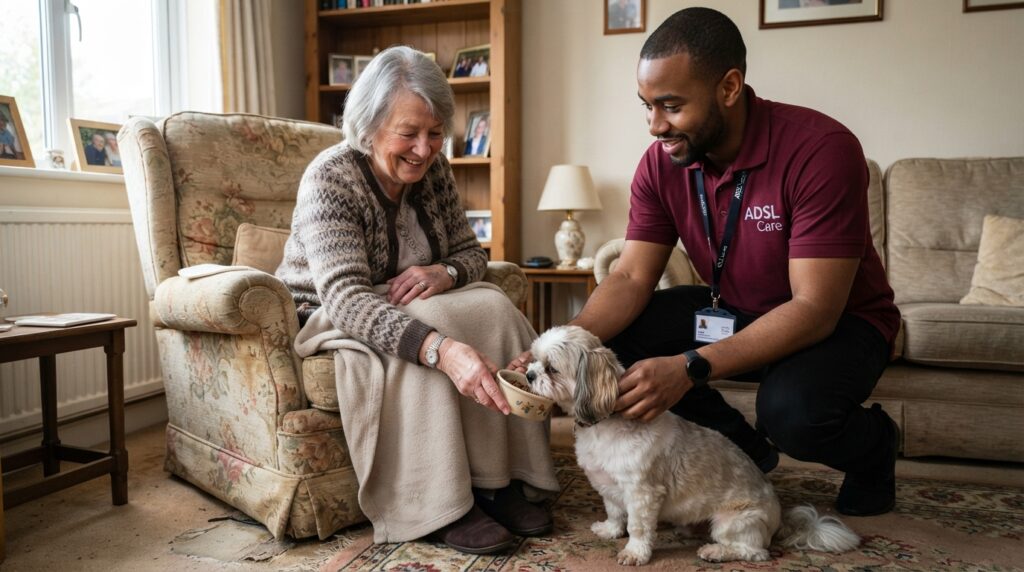
Elderly home care in Arun brings professional help right to the front door so people keep their routines and independence intact. Support covers everything from morning chores and medication reminders to plain companionship and housework, all matched to what the person actually prefers.
Striking the right balance between safety and independence takes time. Most folks want to stay in familiar surroundings as long as they can. The rooms they know, walks around the neighborhood, and all those personal belongings really do matter for well-being. When chores get too tough to handle alone, getting a bit of help [[KEEP_0]] keeps daily life running without a hitch.
Table of Contents
Understanding Daily Living Support Needs
Every person’s daily routine looks different. That means support needs to match what actually happens during the day. Some folks only need a quick morning visit to make breakfast and check on pills. Others need help right through the day and night. Writing down a normal day helps show where help will do the most good.
Morning routines usually mean getting out of bed safely, washing, getting dressed and eating a good meal. Evening routines focus on winding down, locking up the house and putting on nightwear. Gaps in these habits point right to the hours where extra help matters most.
Ask specific questions about each part of the day when you’re figuring this out. Can your loved one get in and out of the shower safely? Do they take their prescriptions on schedule, or do pills stay stuck in the bottle? Are they eating proper meals, or just grabbing snacks because cooking wears them out? Honest answers tell you if you need short visits or someone there all the time.
Moving around the house changes too. Stairs, loose rugs and bathroom layouts can turn into hidden hazards pretty fast. Professional caregivers look out for these risks and help with safe movement. They cut down the chances of a fall while still letting the person do as much as they can on their own.
Nutrition and hydration keep energy and health up. Cooking gets exhausting for anyone dealing with arthritis or fatigue. A caregiver can handle grocery shopping, cooking and meal planning so fresh food is always ready and dietary rules get followed.
Exploring Options for Elderly Home Care in Arun
Families have a few different paths to weigh when arranging help. Knowing how they differ makes it easier to find a setup that fits your budget and daily routine. You can learn more about local options by reviewing Home care in Arun District to see how support is structured across the region.
Visiting care means a professional stops by for scheduled blocks of time each week. It works well if someone only needs help with specific chores, personal care, or simple company. You can scale the schedule up or down as needs change. The catch is that visiting care doesn’t cover overnight hours. Families have to weigh whether an elderly relative is safe completely alone through the night.
Live-in care puts a dedicated caregiver inside the home around the clock. This setup suits people with complex medical needs, advanced mobility challenges, or memory issues who simply feel safer having someone nearby at all hours. Live-in care offers continuous supervision and personal attention, but your home needs to accommodate a resident. You’ll need adequate sleeping quarters and shared living space ready. You can read about Elderly care at home in West Sussex to understand the wider choices available to families.
Some families also look into specialised regional support. For instance, exploring Home care in Rustington, Arun District or checking out Home care in Angmering, Arun District can reveal specific local provisions that match your exact neighborhood.

Practical Steps for Families
Bringing up outside help takes real care. Aging parents often worry about losing control of their days. Talk about how extra support actually protects their independence, rather than stripping it away.
Families often stumble by making care sound like a punishment or a failure. Instead, present it as a tool that saves energy for gardening, reading, or visiting friends. You can also ease into it. Start with a housekeeper or a social companion before bringing in full personal care.
Keep your mum or dad involved in every single decision. It builds trust and calms their nerves. Let them weigh in on daily schedules, meals, and the personality traits they want in a carer. When people feel heard, the transition goes much better.
Watch how needs shift over the first few months. Care plans aren’t set in stone. Regular chats with the provider keep the support matched to what the individual actually wants.
Tip: Write down a list of daily routines, medication schedules, and favourite meals before contacting any care providers so you can discuss specific needs clearly.

Talk to ADSL Care Today
CQC-registered home care across West Sussex, from Pulborough and Horsham to Worthing and beyond.
📞 Phone: 01798 303561 |
🌐 Website: adslcare.com
Frequently Asked Questions
What is included in elderly home care?
Elderly home care includes assistance with daily activities such as personal hygiene, medication reminders, meal preparation, light housekeeping, and companionship, all tailored to individual needs.
How do I know when it is time for home care?
It may be time to consider home care when you notice difficulties with routine tasks, missed medications, increased risk of falls, or caregiver burnout among family members.
Can care schedules be changed as needs change?
Yes, care plans are flexible and can be adjusted over time to provide more or fewer hours of support as health and daily living requirements evolve.
📋Editorial Standards: This article was drafted with the help of AI writing tools and reviewed by our team before publishing. If anything looks out of date, please contact us.
Book Your Care Consultant Now
Providing professional, compassionate, and dignified home care services across West Sussex.
Related posts


Popular Posts

12 Steps to Fix Broken Home Healthcare Workflows

Reducing Hospital Readmissions with Predictive Home Healthcare

Hospice vs. Home Health: Costs and Care Quality Comparison
Testimonials
Recommended by a friend, very helpful and professional. The care is outstanding and the office team are very experienced and assisted me with sourcing additional funds for my mums care. Thank you ADSL Care

vincent Harrison
ADSL have fantastic carers and are a wonderful team! They have put me and my family at ease and my Mum looks forward to her daily visits. Would recommend to anyone looking for carers.

Sandra Booth
We recently changed our care agency to ADSL Care, we are very pleased with the care we receive for my mother. Care staff are caring and professional. Office staff and management are very approachable and accommodating.

Caroline Knight
We used ADSL care to help support my wife, the carers were all very lovely and caring. The office staff were very kind and answered all of our questions.

Brian Pownall